

Get a Personal Energy Saving Plan
Answer a few quick questions about your home, heating and energy usage. We’ll show you the most relevant ways to cut your bills, starting with the changes most likely to help first.
Your suggested starting plan
Based on your answers, these are the first areas I’d check. Start with the most relevant free checks before spending money on bigger upgrades.
Reducing your energy bills is not about one magic fix. It is usually a mix of small changes, better controls, smarter tariffs and, in some homes, bigger upgrades like insulation, solar panels or a heat pump.
The best place to start is with the changes that cost nothing, take very little time and apply to most homes. Once those are sorted, you can move on to low-cost improvements, smarter tariff choices and longer-term upgrades.
This guide breaks the options down into clear levels, so you can start with the easiest wins first and avoid spending money before you need to.
Level 1: start with the changes that cost nothing
These are the best places to start because they do not require new equipment, major spending or disruption. Most take only a few minutes, and together they can make a noticeable difference to your annual energy costs.
The aim is not to make your home uncomfortable. It is to stop wasting energy on things that are easy to fix: heating settings that are too high, appliances running when they are not needed, estimated bills, old tariff choices and radiators that are not working properly.
Lower your boiler flow temperature (£65–£100 a year)
If you have a gas combi boiler, your boiler flow temperature may be set higher than it needs to be. Many boilers are set to send very hot water to radiators, even when a lower temperature would still heat the home properly.
Lowering the flow temperature can help a condensing boiler run more efficiently. This does not mean turning your heating off. It simply means adjusting how hot the water is when it leaves the boiler.
Do not reduce the stored hot water temperature on a system or regular boiler with a hot water cylinder below safe levels. This tip is mainly for combi boiler owners.
Best for: homes with a gas combi boiler
Cost: free
Difficulty: easy to moderate
Time needed: around 5 minutes
Estimated saving: around £65–£100 a year
Renter-friendly: yes, if you control the boiler settings
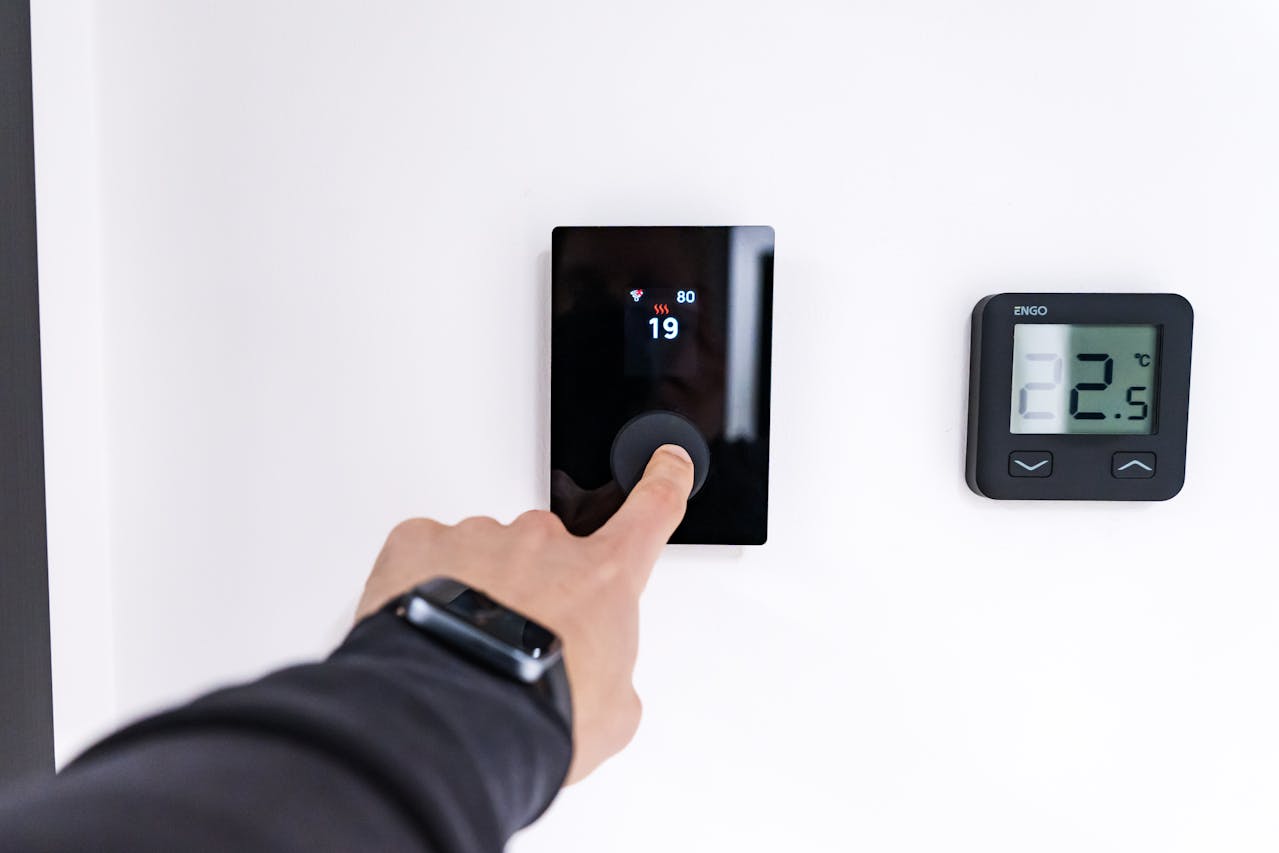
Turn your thermostat down slightly
Turning your thermostat down slightly can reduce heating demand without making the home feel cold, especially if it is currently set higher than needed.
If you normally heat your home to 22°C, try 21°C for a week and see how it feels. Small changes are easier to stick with than big ones.
Avoid turning the heating down so far that you end up using expensive plug-in heaters instead.
Best for: most homes with central heating
Cost: free
Difficulty: very easy
Time needed: instant
Estimated saving: around £90–£150 a year
Renter-friendly: yes
Wash clothes at 20–30°C
Modern detergents are designed to work well at lower temperatures. For everyday clothes, washing at 20–30°C instead of 40°C can reduce the electricity used by each wash.
You may still want occasional hotter washes for towels, bedding, heavily soiled items or anything that needs sanitising, but most normal laundry does not need a hot cycle.
Best for: almost everyone
Cost: free
Difficulty: very easy
Time needed: instant
Estimated saving: around £20–£40 a year
Renter-friendly: yes
Close curtains at dusk, not bedtime
Curtains can act as an extra insulation layer over your windows, especially if they are lined or thermal curtains. The key is closing them when it gets dark, not just before bed.
This is especially useful in homes with single glazing, older double glazing or rooms that lose heat quickly in the evening.
Best for: most homes, especially older or draughty properties
Cost: free
Difficulty: very easy
Time needed: instant
Estimated saving: around £15–£30 a year
Renter-friendly: yes
Switch off standby properly
TVs, games consoles, monitors, set-top boxes, chargers and other devices can still use electricity when they are not actively being used.
You do not need to obsess over every plug in the house, but it is worth switching off the obvious standby users, especially overnight or when you are away.
Games consoles, older TVs and home office equipment are often worth checking first.
Best for: homes with lots of electronics
Cost: free
Difficulty: easy
Time needed: around 10 minutes
Estimated saving: around £30–£50 a year
Renter-friendly: yes
Bleed your radiators
If your radiators are cold at the top but warm at the bottom, there may be trapped air inside them. This stops the radiator heating evenly, which can make your boiler work harder to warm the room.
Bleeding the radiator releases the trapped air and helps your heating system work more effectively. It will not always create a direct cash saving you can easily measure, but it can improve comfort and heating efficiency.
Best for: homes with radiators that have cold spots at the top
Cost: free if you already have a radiator key
Difficulty: easy
Time needed: around 10 minutes
Estimated saving: varies
Renter-friendly: usually yes, but check with your landlord if unsure
Check your tariff
Reducing usage is important, but the price you pay for each unit of energy matters too. If you are on a standard variable tariff, an expensive fixed tariff or a tariff that does not suit your usage, you may be paying more than you need to.
A better tariff will not fix high usage, but it can reduce the cost of the energy you do use. This is especially important if you have an EV, solar panels, battery storage, a heat pump or a smart meter.
Best for: anyone who has not checked their tariff recently
Cost: free
Difficulty: easy to moderate
Time needed: around 10–20 minutes
Estimated saving: depends on your current tariff and usage
Renter-friendly: yes, if you pay the energy bill directly
Send regular meter readings
If you do not have a working smart meter, regular meter readings help keep your bills accurate. Estimated readings can cause problems in both directions: you might underpay and get a catch-up bill later, or overpay and build up too much credit.
This is one of the first things to check if your bill suddenly jumps, your direct debit feels wrong or your supplier has been estimating your usage for months.
Best for: homes without working smart meters
Cost: free
Difficulty: very easy
Time needed: around 5 minutes
Estimated saving: not a usage saving, but helps prevent inaccurate bills and catch-up charges
Renter-friendly: yes
Check whether your direct debit is fair
A high direct debit does not always mean your home is using too much energy. It may be based on estimated readings, old usage, seasonal forecasts, a debit balance or a supplier calculation that no longer matches your situation.
Before assuming you need to cut usage dramatically, check whether your monthly payment reflects your real annual usage and current account balance.
Best for: anyone with a direct debit that feels too high or too low
Cost: free
Difficulty: easy
Time needed: around 10 minutes
Estimated saving: not a direct energy saving, but can help correct overpayment or avoid debt building up
Renter-friendly: yes, if you manage the energy account
Level 1 overview table
| Action | Best for | Cost | Difficulty | Time needed | Estimated saving |
|---|---|---|---|---|---|
| Lower boiler flow temperature | Combi boiler owners | Free | Easy/moderate | 5 mins | £65–£100/year |
| Wash clothes at 20–30°C | Almost everyone | Free | Very easy | Instant | £20–£40/year |
| Close curtains at dusk | Homes with older/draughty windows | Free | Very easy | Instant | £15–£30/year |
| Turn thermostat down by 1°C | Most heated homes | Free | Very easy | Instant | £90–£150/year |
| Switch off standby properly | Homes with lots of electronics | Free | Easy | 10 mins | £30–£50/year |
| Bleed your radiators | Radiators with cold spots | Free* | Easy | 10 mins | Varies |
| Check your tariff | Anyone who has not compared recently | Free | Easy/moderate | 10–20 mins | £50–£200+/year |
| Send regular meter readings | Homes without smart meters | Free | Very easy | 5 mins | Accuracy benefit |
| Check your direct debit | Anyone with odd monthly payments | Free | Easy | 10 mins | Payment accuracy benefit |
Level 2: low-cost changes that can pay back quickly
Once you’ve made the free changes, the next step is to look at small upgrades that cost a little upfront but can pay for themselves quickly.
These are not major home improvements. They are simple changes like LED bulbs, draught-proofing, radiator reflector panels and better hot water tank insulation. The aim is to reduce waste without jumping straight to expensive upgrades.
Swap old bulbs for LEDs
If you still have halogen, incandescent or older CFL bulbs anywhere in your home, swapping them for LEDs is one of the easiest low-cost upgrades.
LED bulbs use far less electricity and last much longer. The biggest wins are usually in rooms where lights are used most often, such as kitchens, bathrooms, living rooms, hallways and home offices.
Kitchen and bathroom spotlights are especially worth checking. Old GU10 halogens can use around 50W each, while LED equivalents may use closer to 5W for similar light output.
Best for: homes still using halogen, incandescent or old CFL bulbs
Cost: around £2–£5 per bulb
Difficulty: very easy
Time needed: a few minutes per bulb
Estimated saving: around £5–£15 per bulb per year, depending on use
Renter-friendly: yes
Fit radiator reflector panels
Radiator reflector panels sit behind radiators on external walls and help reflect heat back into the room instead of letting more of it warm the wall behind.
They will not transform your energy bill on their own, but they can be a useful small improvement, especially in older homes where radiators are fitted to external walls.
They are usually cheap, quick to fit and work best where the wall behind the radiator feels cold.
Best for: radiators on external walls
Cost: around £5–£15
Difficulty: easy
Time needed: around 10–20 minutes
Estimated saving: around £10–£20 a year
Renter-friendly: usually yes, if fitted without damaging walls
Draught-proof doors, windows and gaps
Draught-proofing is one of the most useful low-cost improvements because it can make your home feel warmer without touching the thermostat.
Common fixes include brush strips for doors, foam tape around window frames, letterbox draught excluders, keyhole covers, chimney balloons and sealing obvious gaps around floors or skirting boards.
This works especially well in older homes where cold air comes in around doors, windows, loft hatches or unused fireplaces.
Best for: draughty homes, older homes and homes with noticeable cold spots
Cost: around £20–£30 for basic materials
Difficulty: easy
Time needed: 30 minutes to a few hours, depending on the property
Estimated saving: around £30–£60 a year
Renter-friendly: yes, if using removable or non-damaging products
Use a plug-in energy monitor
A plug-in energy monitor helps you see how much electricity individual appliances actually use. This is useful because many households guess wrong about what is costing them the most.
You can use one to test appliances like tumble dryers, dehumidifiers, electric heaters, old fridges, gaming PCs, monitors and home office equipment.
This does not save money by itself, but it helps you make better decisions. Once you know what your expensive appliances are, you can decide what to use less, replace, schedule differently or switch off properly.
Best for: homes with high or unexplained electricity use
Cost: around £15–£30, or free from your energy supplier
Difficulty: easy
Time needed: a few minutes per appliance
Estimated saving: indirect, but can help identify meaningful electricity waste
Renter-friendly: yes
Add or upgrade a hot water cylinder jacket
If your home has a hot water cylinder, check whether it has a thick, modern jacket. Older cylinders may have thin insulation, or none at all, which means heat escapes faster than it needs to.
A good cylinder jacket helps keep stored hot water warmer for longer. This can reduce how often the boiler or immersion heater needs to reheat the tank.
This is one of the quickest payback upgrades if your current cylinder insulation is poor.
Best for: homes with hot water cylinders
Cost: usually under £20
Difficulty: easy
Time needed: around 10–20 minutes
Estimated saving: around £35–£60 a year
Renter-friendly: usually yes, but check with your landlord if unsure
Add thermal curtain linings or reflective window film
If your windows are a weak point, thermal curtain linings or reflective window film can help reduce heat loss. They are not a replacement for good glazing, but they can be a useful stopgap.
This is especially relevant for renters, older homes, single-glazed windows or rooms that feel noticeably colder near the glass.
Thermal linings are usually easier to remove, while window film needs more care to fit neatly.
Best for: single glazing, older windows, cold rooms and renters who cannot replace windows
Cost: around £15–£40
Difficulty: easy to moderate
Time needed: 30 minutes to a few hours
Estimated saving: around £15–£40 a year
Renter-friendly: often yes, especially curtain linings
Level 2 overview table
| Upgrade | Best for | Typical cost | Difficulty | Estimated saving | Payback |
|---|---|---|---|---|---|
| Swap old bulbs for LEDs | Homes with halogens/CFLs | £2–£5 per bulb | Very easy | £5–£15 per bulb/year | 2–3 months |
| Radiator reflector panels | Radiators on external walls | £5–£15 | Easy | £10–£20/year | Around 1 year |
| Draught-proofing | Draughty homes | £20–£30 | Easy | £30–£60/year | Under 1 year |
| Plug-in energy monitor | High electricity users | £15–£30 (or free from your energy supplier) | Easy | Indirect | Depends what you find |
| Hot water cylinder jacket | Homes with hot water tanks | Under £20 | Easy | £35–£60/year | 4–6 months |
| Thermal linings/window film | Older or cold windows | £15–£40 | Easy/moderate | £15–£40/year | Around 1 year |
Level 3: smart meters, tariffs and smart tech
This section is for households that either already have a smart meter or are willing to get one.
A smart meter does not reduce your bills on its own. The value comes from the data and tariffs it unlocks. Once you can see when you use energy, you can make better decisions about tariffs, load shifting, heating controls and high-use appliances.
Switch to a tracker or agile tariff
Tracker and agile tariffs work differently to standard fixed or variable deals. Rather than charging one unit rate all day, they move with wholesale electricity prices.
Octopus Tracker updates its price once a day, while Octopus Agile changes every 30 minutes.
When wholesale prices are low, you’ll pay less than you would on a standard tariff; when they spike, you’ll pay more. Overall, though, most households on these tariffs save a meaningful amount over the year.
Best for: engaged users with smart meters who are comfortable with price changes
Cost: free to switch, depending on supplier and tariff availability
Difficulty: moderate
Time needed: 20–30 minutes to compare properly
Estimated saving: depends on when you use electricity and gas
Renter-friendly: yes, if you control the energy account
Shift usage to cheaper times
Time-of-use tariffs charge different rates at different times of day. Electricity is usually cheaper overnight and more expensive during peak evening periods.
If you can run appliances like dishwashers, washing machines, tumble dryers, immersion heaters or EV chargers during cheaper windows, you may be able to reduce costs without using less energy overall.
The important point is that the tariff only helps if your behaviour matches it. If you stay on peak-rate usage patterns, a time-of-use tariff can cost more.
Best for: flexible households, EV owners, battery users and some heat pump users
Cost: free, unless you need smart plugs or extra controls
Difficulty: moderate
Time needed: ongoing habit change
Estimated saving: around £100–£300+ a year for suitable households
Renter-friendly: yes
Use a smart thermostat
A smart thermostat can make heating easier to control. The real saving is not the app or the “smart” label. It is better scheduling, fewer forgotten heating periods and more accurate control.
For example, you may be able to avoid heating the home when nobody is in, reduce temperatures overnight or create a schedule that better matches your routine.
A basic programmer and normal thermostat can already do a lot of this, so a smart thermostat is most useful if your current heating controls are poor or you want easier control.
Best for: homes with irregular schedules or poor existing heating controls
Cost: around £100–£220
Difficulty: moderate, often needs installation
Time needed: setup plus ongoing adjustment
Estimated saving: around £75–£150 a year, depending on current habits
Renter-friendly: only with landlord permission
Use smart TRVs to heat rooms separately
Smart TRVs let you control radiator temperatures room by room. This can be useful if you often heat rooms that are not being used.
For example, you may want the living room warm in the evening, bedrooms cooler during the day, and spare rooms lower most of the time.
This can work well in larger homes or homes with mixed usage patterns. However, smart TRVs can become expensive if you fit them to lots of radiators, so start with the rooms where zoning will make the biggest difference.
Best for: homes heating unused rooms
Cost: around £40–£80 per radiator
Difficulty: moderate
Time needed: a few minutes per radiator, plus setup
Estimated saving: varies depending on zoning and usage
Renter-friendly: usually only with landlord permission
Use smart plugs and automation
Smart plugs can help switch devices off automatically, schedule appliances or make sure things do not stay on overnight.
They are especially useful for devices that are easy to forget about, such as lamps, home office equipment, entertainment systems, dehumidifiers or chargers.
They can also be useful on time-of-use tariffs, where you want some appliances to run during cheaper periods.
Best for: homes with lots of plug-in devices or time-of-use tariffs
Cost: around £10–£25 each
Difficulty: easy
Time needed: 5–10 minutes per plug
Estimated saving: around £20–£50 a year in suitable homes
Renter-friendly: yes
Use your smart meter data properly
The in-home display is only the starting point. Supplier apps and third-party apps can often show your usage by time of day, day of week and season.
This helps you understand whether your home uses most energy overnight, during the evening peak, during working hours or when specific appliances are running.
Once you know your baseline, it becomes easier to make targeted changes instead of guessing.
Best for: anyone with a working smart meter
Cost: free
Difficulty: easy
Time needed: 10–20 minutes to review usage patterns
Estimated saving: indirect, but helps improve every other decision
Renter-friendly: yes
Level 3 overview
| Strategy | Best for | Typical cost | Difficulty | Estimated saving |
|---|---|---|---|---|
| Tracker or agile tariff | Engaged smart meter users | Free | Moderate | 15–25% in favourable periods |
| Time-of-use tariff/load shifting | Flexible households, EV owners, battery users | Free | Moderate | £100–£300+/year |
| Smart thermostat | Homes with poor controls or irregular schedules | £100–£220 | Moderate | £75–£150/year |
| Smart TRVs | Homes heating unused rooms | £40–£80 per radiator | Moderate | Varies |
| Smart plugs | Homes with devices left running | £10–£25 each | Easy | £20–£50/year |
| Smart meter data/apps | Anyone with a smart meter | Free | Easy | Indirect |
Level 4: bigger upgrades for long-term bill reduction
These upgrades cost more upfront, so they should not be treated like quick fixes. They can make a major difference, but the right choice depends on the property, usage, budget and how long you expect to stay in the home.
The best approach is usually fabric first: reduce heat loss before spending heavily on new heating systems or low-carbon technology.
Improve loft insulation
Loft insulation is often one of the best places to start because heat rises and a poorly insulated loft can lose a lot of warmth.
If your loft has no insulation, or only a thin layer, topping it up can make a noticeable difference. The commonly recommended depth for mineral wool insulation is around 270mm.
This is usually one of the better payback upgrades, especially in homes with little or no existing insulation.
Best for: homes with no loft insulation or thin existing insulation
Cost: around £300–£1,200, depending on size and installation method
Difficulty: moderate
Time needed: usually half a day to a day
Estimated saving: around £150–£300 a year for suitable homes
Renter-friendly: landlord responsibility
Consider cavity wall insulation
Homes built with cavity walls may be suitable for cavity wall insulation. This fills the gap between the inner and outer wall, helping the home retain heat.
It can be a good upgrade for suitable properties, but it is important to check the home properly first. Not every cavity wall property is suitable, especially if there are issues with damp, exposure or wall condition.
Best for: suitable homes with unfilled cavity walls
Cost: around £1,000–£4,300
Difficulty: professional installation required
Time needed: usually less than a day
Estimated saving: around £120–£420 a year, depending on property type
Renter-friendly: landlord responsibility
Consider solid wall insulation
Older homes with solid walls can lose a lot of heat. Solid wall insulation can be fitted internally or externally, but it is much more expensive than loft or cavity wall insulation.
The main benefit is improved comfort and reduced heat loss, especially in older properties that are hard to keep warm.
Because the cost is high, it usually has a longer payback period and needs proper assessment.
Best for: older homes with solid walls, often pre-1920s properties
Cost: often £5,000–£15,000+
Difficulty: professional installation required
Time needed: varies significantly
Estimated saving: around £150–£400 a year
Renter-friendly: landlord responsibility
Consider floor insulation
Suspended timber floors can lose heat and create cold draughts. Floor insulation can help make rooms feel warmer and reduce heat loss from below.
This is often overlooked compared with loft and wall insulation, but it can matter in older homes with draughty floors.
The difficulty depends on access. Some floors are much easier to insulate than others.
Best for: older homes with suspended timber floors
Cost: varies depending on access and floor area
Difficulty: moderate to high
Time needed: varies by property
Estimated saving: around £80 a year in suitable homes
Renter-friendly: landlord responsibility
Consider solar panels
Solar panels can reduce how much electricity you buy from the grid. They work best when your roof is suitable and you can use a good amount of the electricity you generate.
Without a battery, much of your solar generation may be exported during the day when you are not using much electricity. With a battery, you can store more of that electricity for later.
Solar can be a strong long-term investment, but it should be judged over years, not weeks.
Best for: homeowners with suitable roofs and decent daytime electricity use
Cost: around £5,000–£8,000 for a typical system
Difficulty: professional installation required
Time needed: installation usually 1–2 days, after survey/design
Estimated saving: around £250–£500 a year, depending on system and usage
Renter-friendly: no, unless landlord-led
Consider solar panels with battery storage
A battery can increase how much of your solar electricity you use at home. It can also work well with some time-of-use tariffs, because you may be able to charge the battery cheaply overnight and use that electricity during expensive peak periods.
However, a battery adds a lot to the upfront cost. It is not automatically worth it for every home, so the numbers need checking carefully.
Best for: solar homes with high evening usage or suitable time-of-use tariffs
Cost: around £8,000–£14,000 for solar plus battery
Difficulty: professional installation required
Time needed: installation usually 1–2 days, after survey/design
Estimated saving: around £400–£700 a year, depending on usage and tariff
Renter-friendly: no, unless landlord-led
Consider a heat pump
A heat pump can be an efficient way to heat a suitable home, but the design matters. The heat pump, radiators, insulation, flow temperature and electricity tariff all affect running costs.
A heat pump usually works best in a well-insulated home with correctly sized radiators or underfloor heating. In a poorly insulated property, it may struggle or cost more to run than expected.
The Boiler Upgrade Scheme can reduce the upfront cost, but you still need a proper survey and realistic running cost estimate.
Best for: well-insulated homes replacing gas, oil or direct electric heating
Cost: often £2,500–£10,000 after the £7,500 grant, depending on property and system design
Difficulty: professional design and installation required
Time needed: survey, design and installation process
Estimated saving: around £100–£400 a year versus gas in suitable homes, heavily tariff-dependent
Renter-friendly: no, unless landlord-led
Upgrade old or poor glazing
Double or triple glazing can reduce heat loss, improve comfort and reduce noise. However, as a pure bill-saving measure, it often has a long payback period.
This means glazing upgrades usually make most sense when your windows are old, failed, draughty or due for replacement anyway.
If your budget is limited, loft insulation, draught-proofing and heating controls may deliver better value first.
Best for: homes with single glazing, failed double glazing or very draughty windows
Cost: around £3,000–£10,000+ for whole-home upgrades
Difficulty: professional installation required
Time needed: varies by number of windows
Estimated saving: around £75–£150 a year
Renter-friendly: landlord responsibility
Use EV smart charging
If you have an electric vehicle and charge at home, your tariff can make a huge difference.
Charging on a standard daytime rate is usually much more expensive than charging overnight on a dedicated EV tariff. Smart charging can automatically move charging into cheaper windows, depending on the tariff and your car or charger compatibility.
For EV owners, this can be one of the biggest energy bill savings available.
Best for: EV owners who can charge at home
Cost: free if you already have a compatible setup; up to around £800 if you need charging equipment or setup changes
Difficulty: easy to moderate
Time needed: 20–30 minutes to compare tariffs, more if installing a charger
Estimated saving: around £200–£500 a year, depending on mileage and charging habits
Renter-friendly: only if you have access to home charging and permission where needed
Level 4 overview
| Upgrade | Best for | Typical cost | Difficulty | Estimated saving | Payback |
|---|---|---|---|---|---|
| Loft insulation | Homes with poor/no loft insulation | £300–£1,200 | Moderate | £150–£300/year | 1–4 years |
| Cavity wall insulation | Suitable unfilled cavity walls | £1,000–£4,300 | Professional | £120–£420/year | 3–5 years |
| Solid wall insulation | Older solid wall homes | £5,000–£15,000+ | Professional | £150–£400/year | 10–15+ years |
| Floor insulation | Suspended timber floors | Varies | Moderate/high | Around £80/year | Varies |
| Solar panels | Suitable roofs | £5,000–£8,000 | Professional | £250–£500/year | 8–12 years |
| Solar plus battery | Solar homes with evening usage | £8,000–£14,000 | Professional | £400–£700/year | 10–15 years |
| Heat pump | Well-insulated homes | £2,500–£10,000 after grant | Professional | £100–£400/year | 8–15 years |
| Double/triple glazing | Poor or failed glazing | £3,000–£10,000+ | Professional | £75–£150/year | 15–20+ years |
| EV smart charging | EV owners charging at home | £0–£800 | Easy/moderate | £200–£500/year | Immediate–1 year |
What renters can actually do
If you rent, some bigger upgrades are outside your control. You probably cannot install solar panels, replace the heating system or add major insulation without the landlord’s agreement.
But that does not mean you are powerless. Many of the best savings are still available to renters, especially the free and low-cost changes.
The key is to focus on things that are removable, low-risk and linked to the energy account you control.
Best renter-friendly actions
These are usually the best places for renters to start:
| Action | Why it helps | Renter-friendly? |
|---|---|---|
| Lower boiler flow temperature | Can reduce gas use in homes with combi boilers | Yes, if you control the boiler |
| Wash clothes at 20–30°C | Reduces electricity used by washing machine cycles | Yes |
| Close curtains at dusk | Helps reduce heat loss through windows | Yes |
| Turn thermostat down slightly | Reduces heating demand | Yes |
| Switch off standby properly | Cuts wasted background electricity use | Yes |
| Bleed radiators | Helps radiators heat evenly | Usually yes |
| Check your tariff | May reduce the price you pay per unit | Yes, if you pay the bill directly |
| Send meter readings | Helps avoid estimated bills | Yes |
| Draught-proofing | Reduces cold air leaks | Yes, if removable |
| LED bulbs | Reduces lighting electricity use | Yes |
| Plug-in energy monitor | Helps identify expensive appliances | Yes |
| Thermal curtain linings | Helps with cold windows | Yes |
| Smart plugs | Helps automate devices and reduce waste | Yes |
What renters may need permission for
Some improvements are still possible, but you may need to ask your landlord first.
These include:
- smart thermostats
- smart TRVs
- permanent draught-proofing
- radiator changes
- insulation upgrades
- window replacements
- boiler changes
- heat pumps
- solar panels
- EV charger installation
When asking, frame it around comfort, lower running costs, improved EPC rating and long-term property value.
Best actions by household type
This is a useful section to add after the four levels because it helps readers self-select quickly.
| Your situation | Best place to start |
|---|---|
| I have a gas combi boiler | Lower boiler flow temperature and check heating controls |
| I have a hot water cylinder | Check the cylinder jacket and hot water settings |
| My gas use is high | Heating controls, thermostat, draught-proofing and insulation |
| My electricity use is high | Plug-in monitor, standby, appliance use and tariff checks |
| I rent | Free changes, removable draught-proofing, tariff checks and meter readings |
| I own my home | Work through all four levels, then consider insulation or solar |
| I have an EV | Check EV tariffs and overnight smart charging |
| I have solar panels | Compare export tariffs and consider battery/tariff optimisation |
| I have a heat pump | Check settings, flow temperature, tariff and heating schedule |
| I have old windows | Curtains, thermal linings, draught-proofing, then glazing later |
| My direct debit feels wrong | Check usage, meter readings, account balance and annual forecast |
| My bill looks wrong | Check readings, tariff rates, standing charges and estimated usage |
Be careful with savings claims
Energy-saving figures are useful, but they are only estimates.
Your actual saving depends on your home, tariff, heating system, usage, weather, insulation and starting point. A household with very high heating use may save much more from heating changes than a household that already uses very little. A home with old halogen bulbs will save more from LEDs than a home that already switched years ago.
So treat the savings as a guide, not a guarantee.
The best approach is:
- Consider bigger upgrades once the basics are sorted.
- Start with free changes.
- Check your meter readings and tariff.
- Track your usage over time.
- Spend money only where the payback makes sense.
FAQ
What’s the single most impactful thing I can do to reduce my energy bills?
If you have a combi boiler, lower the flow temperature. For most combi boiler owners, this is the biggest free saving available, around £65–£100 per year. If you don’t have a combi boiler, turning the thermostat down by 1°C is the next best move.
Would switching to a fixed tariff reduce my energy bills?
It depends on where wholesale prices are heading, and nobody knows that for certain. As of spring 2026, the Q2 price cap is £1,641, but analysts forecast a significant rise for Q3 2026 due to geopolitical uncertainty. If a fixed deal is available at or below the current cap level, it might offer useful protection against a summer price rise. If it’s priced well above, you’re paying a premium for certainty. Compare carefully and consider how much price volatility you’re comfortable with. Our walkthrough on whether you should switch energy supplier right now goes deeper on the timing question.
Do I need a smart meter to save money?
No. Every measure in Levels 1 and 2 works without one. But a smart meter makes everything in Level 3 possible and makes Levels 1 and 2 more effective because you can actually see the impact of changes in near real-time. It’s free from your supplier and there’s no good reason not to get one.
Are heat pumps worth it in 2026?
For the right property, yes. A well-insulated home with adequately sized radiators, replacing an oil or LPG boiler, with access to a good electricity tariff: that’s the sweet spot. The £7,500 Boiler Upgrade Scheme grant makes the economics significantly better than they were a few years ago. For a poorly insulated house still on gas, the case is weaker until you’ve addressed the insulation first. It’s not a yes-or-no answer. It depends on your starting point.
Will my energy bills go down this year?
They’ve dropped for Q2 2026 thanks to the price cap falling to £1,641. But forecasts suggest the Q3 cap (July onwards) could rise substantially, with some analysts predicting figures near £1,900–£1,970. Nobody can promise where prices will be in six months. What you can control is how much energy you use and when you use it. That’s what this guide is for.
Can renters really save much?
Yes. Levels 1 and 2 are fully available to renters, and the savings from these alone can realistically reach £200–£400 per year. Tariff switching in Level 3 adds more on top. You don’t own the bricks, but you do control the thermostat, the appliances, and the energy contract.
What Now?
You don’t have to do everything at once. That’s the whole point of the levels.
Start with Level 1 today. It’s free and takes less than an hour. Move to Level 2 this month, a few purchases that pay for themselves almost immediately. Consider Level 3 when you’re ready to engage with your tariff and your data. And plan Level 4 for when the budget and the circumstances are right.
Every level makes the next one more effective. A well-insulated, well-managed home on a smart tariff is a fundamentally different proposition from a leaky house on a standard variable rate. You don’t get there in a day, but you can start getting there today.
This guide is current as of spring 2026. Energy prices, grants, and government policy change frequently. We’ll update this page as things shift.