
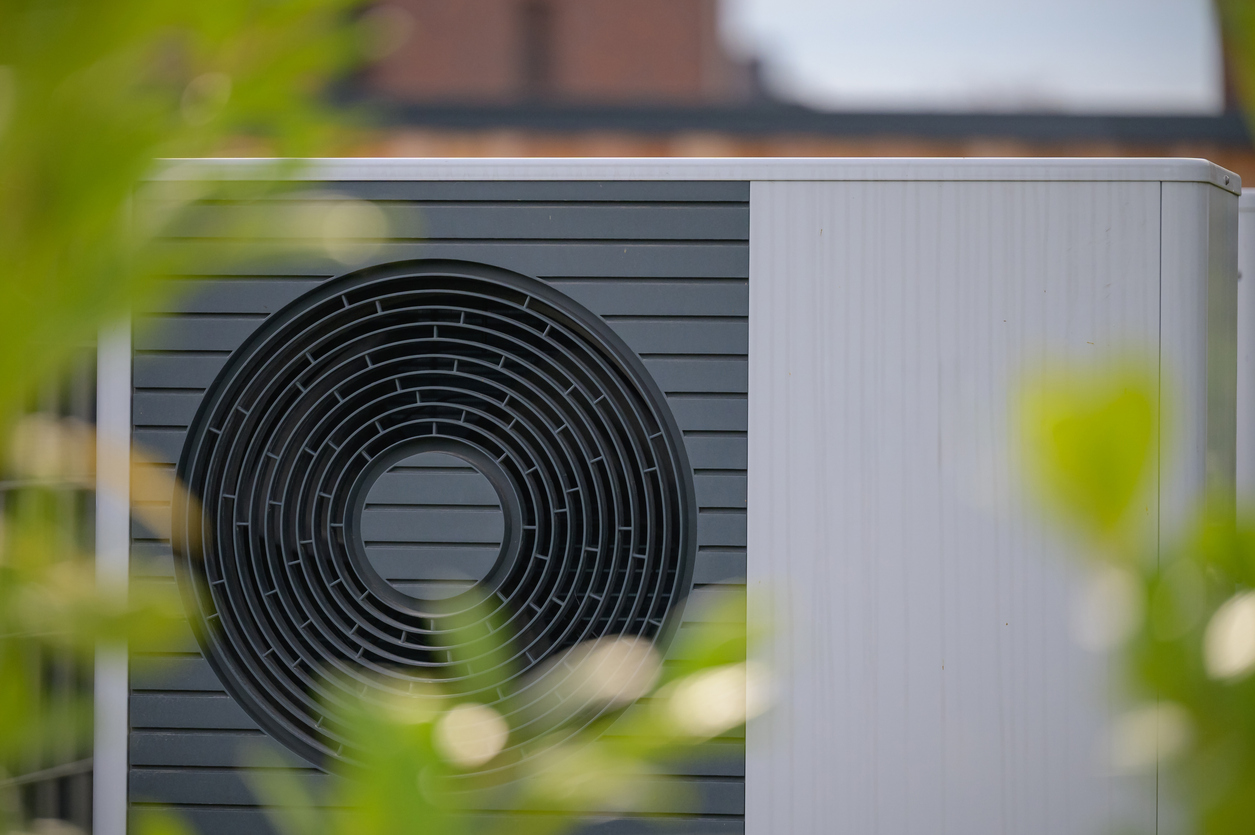
A heat pump uses electricity throughout the heating season, so the tariff you choose can make a noticeable difference to its running costs.
Dedicated heat pump tariffs offer cheaper electricity during selected periods of the day. Some have a few particularly low-priced windows, while others spread their discount across longer periods and are easier to use if your heating needs to run more consistently.
The best tariff depends on your home, how your heat pump is controlled and whether you can move heating and hot water away from more expensive periods.
Still deciding whether to install one? Our guide to whether heat pumps are worth it in the UK covers installation costs, grants, running costs and the homes they are likely to suit.
Which heat pump tariff is likely to suit you?
You can schedule heating and avoid the evening peak: Cosy Octopus is likely to be one of the strongest options. It provides eight cheaper hours across three daily windows, but charges considerably more between 4pm and 7pm.
Your heat pump needs to run steadily: EDF Heat Pump Tracker or British Gas Heat Power may be easier to use. Both provide discounted periods without adding a separate high-priced evening window.
You can move most of your electricity use overnight: E.ON Next Pumped may suit you, particularly if you can heat the home, warm the cylinder or charge a battery between 10pm and 6am.
You use more electricity during the day: ScottishPower Heat Pump Saver provides a cheaper period from 11am to 4pm.
You want fixed prices: Good Energy’s Heat Pump Tariff fixes its rates for a set term, although you should check its exit fee and compare the full annual cost.
The tariff with the lowest off-peak rate will not always produce the lowest bill. Your result depends on how much electricity you can actually use during the cheaper periods and what you pay at all other times.
Why can a heat pump tariff reduce running costs?
A heat pump produces several units of heat from each unit of electricity it uses. However, electricity costs much more per unit than gas, so the price paid for that electricity still has a major effect on running costs.
Heat pump tariffs reduce the price during selected periods when demand on the grid is lower or renewable electricity is more readily available. By scheduling space heating and hot water around these cheaper windows, you can lower the average price paid for the electricity your heat pump uses.
The cheaper rate usually applies to all electricity used by the home during that period, not only the heat pump. You may also be able to run appliances, charge a battery or top up an electric vehicle at the lower rate.
The size of the saving depends on:
- your heat pump’s electricity use
- how much demand can be moved into cheaper periods
- the price charged outside those periods
- whether the tariff includes an expensive peak window
- your standing charge
- how well your home retains heat
A well picked tariff will improve the financial case for a heat pump, but it cannot compensate for a poorly designed or inefficient heating system. Our Heat Pump Running Costs guide explains how electricity prices and seasonal efficiency affect your annual bill.
Best heat pump tariffs compared
Tariff structures and availability were checked in July 2026. Rates can vary by region and change over time, so enter your postcode and confirm the latest prices before switching.
| Tariff | Cheaper periods | Pricing outside cheaper periods | Likely to suit |
|---|---|---|---|
| Cosy Octopus | Eight hours across three daily windows | Standard period plus expensive 4pm to 7pm peak | Flexible homes that can preheat and avoid the peak |
| EDF Heat Pump Tracker | Six hours across two windows | EDF standard rate with no separate peak penalty | Homes wanting discounted periods without a high peak |
| British Gas Heat Power | Ten hours across two windows | Standard tariff rate | Homes that benefit from broad cheap windows |
| E.ON Next Pumped | 10pm to 6am | Higher rate during the day | Homes able to concentrate use overnight |
| ScottishPower Heat Pump Saver | 11am to 4pm | Standard rate outside the window | Homes with flexible daytime use |
| Good Energy Heat Pump Tariff | Seven hours across two windows | Fixed regional daytime rate | Households wanting fixed prices |
Cosy Octopus provides three cheaper periods from 4am to 7am, 1pm to 4pm and 10pm to midnight. Its expensive period runs from 4pm to 7pm, and there are no exit fees.
EDF Heat Pump Tracker discounts electricity by 10p per kWh between 4am and 7am and between 1pm and 4pm. Rates outside those windows follow EDF’s standard tariff, with no separate peak price, and the tariff has no exit fee.
British Gas Heat Power offers half-price electricity from midnight to 7am and from 1pm to 4pm. The discount applies to all electricity used during those ten hours, including appliances, an EV or battery.
E.ON Next Pumped provides cheaper electricity between 10pm and 6am. It is currently offered as a 12-month fixed tariff without exit fees.
ScottishPower Heat Pump Saver offers a 14p per kWh rate from 11am to 4pm each day. You must become a ScottishPower electricity customer before moving onto the tariff.
Good Energy’s current Heat Pump Tariff provides seven off-peak hours from 5am to 9am and 1pm to 4pm. Its published tariff information lists a 13p per kWh off-peak rate, regional daytime rates and a £50 exit fee.
Is Cosy Octopus the best heat pump tariff?
Cosy Octopus is a great contender to be one of the best heat pump tariffs for households that can schedule heating and hot water around its cheaper periods.
It provides eight discounted hours each day:
- 4am to 7am
- 1pm to 4pm
- 10pm to midnight
Having three separate windows gives you more opportunities to heat the home and cylinder than a tariff with one overnight period. The afternoon window can also be used to raise the temperature before the expensive evening peak.
The main drawback is the 4pm to 7pm peak rate. This is considerably higher than the tariff’s standard and off-peak rates.
Cosy is therefore most likely to work well when:
- the home retains heat reasonably well
- the system can preheat before 4pm
- hot water can be scheduled into the cheaper periods
- the heat pump can reduce its output during the evening peak
- a battery can help power the home from 4pm to 7pm
It may be less suitable if the heat pump has to run heavily and continuously through the early evening. In that situation, the cost of the peak-period electricity could outweigh part of the saving made during the cheaper windows.
EDF Heat Pump Tracker and British Gas Heat Power may be safer alternatives for homes that cannot reduce evening demand, because neither adds a separate high-priced 4pm to 7pm window.
Octopus reports that customers using its Cosy heat pumps on the Cosy tariff saved an average of £224 over the year to July 2026 compared with producing the same heat using an 85% efficient gas boiler on Flexible Octopus. This is based on Octopus’s own equipment and customer data, so it does not show that Cosy will beat every heat pump tariff or gas tariff for every household.
Other heat pump tariffs to compare
EDF Heat Pump Tracker
EDF Heat Pump Tracker provides a 10p per kWh discount during two daily periods:
- 4am to 7am
- 1pm to 4pm
Outside those windows, electricity is charged at EDF’s standard regional rate. There is no separate evening peak price.
This makes it easier to understand than Cosy Octopus. You can use the cheaper periods when practical without having to avoid a particularly expensive window later in the day.
It may suit homes where the heat pump needs to operate steadily, but where some heating and hot water demand can still be moved into the discounted periods. The tariff is variable, with rates reviewed alongside the Ofgem price cap, but EDF says the 10p discount remains the same.
British Gas Heat Power
British Gas provides half-price electricity for ten hours each day:
- midnight to 7am
- 1pm to 4pm
This is the widest total discounted period among the main tariffs compared here. The afternoon window can be used for hot water and preheating, while the overnight period may also suit batteries and EV charging.
The half-price offer is calculated against the tariff’s normal unit rate, so you still need to compare the actual regional prices and standing charge. A large percentage discount does not automatically make it the cheapest option.
British Gas says the tariff is available for homes with heat pumps or other eligible electric heating systems, and the cheaper rate applies to all electricity used during the discounted periods.
E.ON Next Pumped
E.ON Next Pumped provides cheaper electricity between 10pm and 6am.
The eight-hour overnight window may suit households that can charge a battery, heat their hot water and run part of their heating overnight. It is less flexible during the daytime than Cosy, EDF or British Gas because it does not provide a separate afternoon period.
E.ON currently offers Next Pumped as a 12-month fixed tariff without exit fees. You must have a heat pump or electric boiler, or be planning to have one installed.
ScottishPower Heat Pump Saver
ScottishPower Heat Pump Saver provides cheaper electricity from 11am to 4pm every day.
This is an unusual window because it is entirely during the daytime. It could suit households that use the afternoon to heat their hot water cylinder or raise the home’s temperature before evening.
It provides no dedicated overnight window, so it may be less attractive if most of your flexible electricity use happens at night.
You must first join ScottishPower before moving onto Heat Pump Saver, and you need a communicating smart meter that can provide half-hourly readings.
Good Energy Heat Pump Tariff
Good Energy provides cheaper electricity from:
- 5am to 9am
- 1pm to 4pm
The morning period is well placed for heating the home before people get up, while the afternoon period can be used for hot water and preheating.
Unlike most of the other options, the current tariff fixes its rates until the end of its term. This provides more certainty, but it also includes an exit fee, so check how long you are committing for.
Compare the full regional day rate and standing charge rather than choosing it from the 13p off-peak rate alone.
Narrow or wide cheap-rate windows?
The best tariff structure depends on how much control you have over your heating.
A tariff with a particularly low off-peak price can produce strong savings if you can concentrate a large proportion of your electricity use into those periods. A well-controlled heat pump can heat the home and cylinder before an expensive period and then reduce its output temporarily.
This is easier where:
- the home retains heat well
- the heat pump has suitable scheduling and weather compensation
- the hot water cylinder can be heated in advance
- a battery can cover more expensive periods
A tariff with wider cheap periods or no separate peak penalty may be safer if the heat pump needs to run for most of the day.
Do not switch the heating off for long periods merely to chase the cheapest rate. Heat pumps generally work most efficiently when maintaining a steady temperature at a relatively low flow temperature. The tariff should fit how the system needs to operate, rather than forcing the heat pump into an unsuitable schedule.
Which heat pump tariff suits your home and energy set up?
Your home retains heat well
Cosy Octopus may work particularly well because you can heat the home during the afternoon window and reduce demand between 4pm and 7pm.
A home battery could make this easier by charging during the cheaper periods and supplying electricity during the evening peak.
Your heat pump runs throughout the day
Compare EDF Heat Pump Tracker and British Gas Heat Power.
Both offer discounted periods without Cosy’s separate evening peak price. You can benefit when it is practical to shift demand without being heavily penalised when the heat pump has to continue running.
How quickly your home loses heat will affect how much heating can be moved away from expensive periods. Our guide to whether your house is suitable for a heat pump explains the role of insulation, heat loss, radiators and flow temperature.
A heat loss survey can also help establish how much heat the property requires and how the system should be designed.
You have solar panels or a battery
Solar panels can reduce the amount of electricity imported during daylight hours, although solar output is much lower during winter when the heat pump uses the most energy.
A battery can be charged during cheaper tariff periods and used when electricity costs more. This can make a tariff with an expensive peak window easier to manage.
You should compare the import and export arrangements together. A tariff that reduces heat pump costs may not necessarily offer the best payment for surplus solar electricity.
Our guide to the best solar export tariffs in the UK compares the export rates and restrictions currently available.
Eligible Octopus customers can combine Cosy with Outgoing Octopus, although you should also compare the other Octopus export options if you have a battery.
You also have an electric vehicle
A heat pump tariff can also provide cheaper periods for charging an EV, but a dedicated EV tariff may offer a lower overnight price.
The best choice depends on which uses more electricity. If the heat pump dominates your annual consumption, three daily heating windows may be more useful. If you drive frequently and charge a large battery at home, an EV tariff could produce greater savings.
Compare the available options in our guide to the best EV tariffs in the UK.
What to check before switching to a heat pump tariff
The full set of rules
Compare the off-peak, standard and peak rates, as well as the daily standing charge.
Do not choose from the headline cheap rate alone. Estimate how much electricity you will use in each period and calculate the likely annual cost.
Your realistic heating schedule
Think about when your heat pump currently runs and how much of that use can genuinely be moved.
Be cautious about projections that assume almost all heating demand will fall into the discounted periods. During colder weather, the heat pump may need to operate for longer.
Smart meter eligibility
Time-of-use tariffs require a smart meter that can provide half-hourly readings.
The supplier may need to check that your meter is communicating properly before moving you onto the tariff.
Heat pump eligibility
Check which types of heat pump or electric heating qualify. Some tariffs are open to several electric heating systems, while others may require evidence that a heat pump has been installed.
Exit fees and contract length
Most of the flexible tariffs in this comparison do not charge an exit fee, but fixed tariffs may have one.
Check what would happen if the tariff no longer suited your home or another supplier launched a better option.
Solar, battery and EV compatibility
Make sure the tariff works with any export tariff, home battery or EV charging arrangement you already use.
A saving on heat pump electricity can be cancelled out if you lose a valuable export rate or move away from a better EV tariff.
Frequently asked questions
What is the best heat pump tariff in the UK?
It depends on your heat pump, your home’s insulation and whether you can shift electricity usage into off-peak hours. Cosy Octopus is one of the most popular heat pump tariffs that has three cheaper periods for when your heat pump will turn on.
EDF Heat Pump Tracker or British Gas Heat Power may be more suitable where the heat pump needs to operate steadily and evening demand cannot easily be reduced.
The best option depends on your regional rates and how much electricity you expect to use in each pricing period.
Is Cosy Octopus the best heat pump tariff?
It can be, particularly for homes that retain heat well, have flexible controls or use a battery.
Its eight cheaper hours are spread across the day, but the expensive 4pm to 7pm period can make it less suitable for homes that need substantial heating during the early evening.
How much can a heat pump tariff save?
The saving depends on your annual electricity use, the tariff you are leaving and how much consumption can be moved into cheaper periods.
Rather than relying on a supplier’s typical saving, estimate how many kilowatt-hours you expect to use during each rate and compare the total annual cost, including standing charges.
Do I need a smart meter for a heat pump tariff?
Yes, for the time-of-use heat pump tariffs covered in this guide.
The meter must be able to send half-hourly readings so the supplier knows how much electricity you used during each pricing period.
Can I combine a heat pump tariff with solar export payments?
Often, but the available combinations depend on the supplier.
Check whether joining the heat pump tariff affects your current export agreement and compare the import and export tariffs together before switching.
Should I choose a heat pump tariff or an EV tariff?
Choose according to where most of your flexible electricity use comes from.
A heat pump tariff may be better when heating dominates your consumption and you benefit from several cheaper periods across the day. An EV tariff may be stronger when you drive frequently and can move substantial overnight charging into a very low-rate window.